Warning symptoms every driver should recognize before a minor issue becomes a major repair
Your vehicle’s transmission is one of the most complex and expensive components in the drivetrain. Its job is to transfer power from the engine to the wheels while managing gear changes smoothly and efficiently. Because of that complexity, transmission problems rarely appear overnight. Most vehicles show clear warning signs long before a complete failure occurs. Recognizing these symptoms early can save thousands of dollars and prevent you from getting stranded on the road.
Here are the most common signs that your transmission may be starting to fail.
Delayed or Slipping Gears
One of the earliest indicators of transmission trouble is gear slipping or delayed engagement.
You might notice this when:
- The engine revs higher than normal before shifting
- The vehicle hesitates before moving after shifting into Drive or Reverse
- The car suddenly slips out of gear while driving
When a transmission begins to slip, it usually means internal clutches or bands are wearing down or hydraulic pressure inside the transmission is not being maintained properly.
Ignoring this symptom often leads to accelerated internal damage.
Hard or Jerky Shifting
A healthy transmission shifts smoothly and almost imperceptibly.
If your vehicle suddenly begins:
- Shifting harshly between gears
- Jerking during acceleration
- Slamming into gear when shifting from Park to Drive
this typically indicates issues with:
- Transmission fluid pressure
- Internal clutch wear
- Valve body malfunction
- Electronic shift control problems
Many modern transmissions rely heavily on electronic control modules, so harsh shifting can sometimes be related to sensor or software issues rather than full mechanical failure.
Transmission Fluid Leaks
Unlike engine oil, transmission fluid should never burn off or disappear. If the fluid level is low, there is almost always a leak somewhere in the system.
Transmission fluid typically appears:
- Bright red when new
- Dark red or brown when aging
- Sweet or slightly burnt smelling
Common leak locations include:
- Transmission cooler lines
- Axle seals
- Transmission pan gasket
- Torque converter seal
Even a small leak can eventually cause low fluid pressure, which leads to slipping, overheating, and internal damage.
Burning Smell While Driving
A burning odor coming from your vehicle can often indicate overheated transmission fluid. Transmission fluid acts as both a lubricant and hydraulic fluid. When temperatures climb too high, the fluid breaks down and loses its protective properties.
This can happen due to:
- Low transmission fluid levels
- Excessive towing or heavy loads
- Internal clutch wear creating excess heat
Once fluid begins burning, internal damage typically follows if the problem is not addressed.
Unusual Noises While Driving
Transmissions can also produce distinct noises when internal components begin wearing out.
Drivers often describe sounds such as:
- Whining while accelerating
- Grinding when shifting gears
- Clunking when the vehicle changes gears
While some noises can originate from drivetrain components like axles or differentials, persistent noises during gear changes are often tied directly to transmission issues.
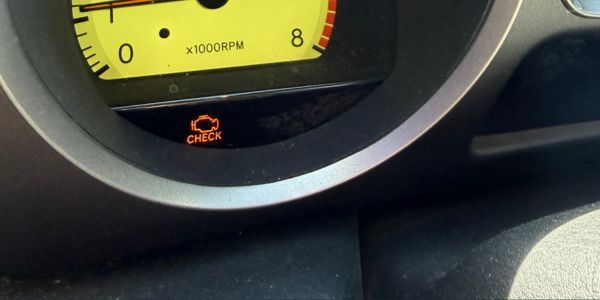
Check Engine Light or Transmission Warning Light
Modern vehicles constantly monitor transmission operation through sensors and onboard diagnostics.
If the check engine light or a transmission warning message appears, the vehicle’s computer may be detecting:
- Incorrect gear ratios
- Transmission temperature problems
- Solenoid malfunctions
- Hydraulic pressure issues
These warning lights often appear before major mechanical damage occurs, which is why diagnostic testing is important as soon as the light appears.
The Importance of Early Diagnosis
Transmission repairs can range from minor fluid service to complete replacement, depending on how early the issue is caught.
When symptoms are addressed early, solutions may include:
- Fluid and filter service
- Solenoid replacement
- Valve body repair
- Software updates or recalibration
However, waiting too long can result in full transmission rebuilds or replacements, which are significantly more expensive.
If You Suspect a Transmission Problem
If your vehicle shows any of the symptoms above, it’s best to have it inspected as soon as possible. Early diagnosis allows technicians to determine whether the issue is mechanical, hydraulic, or electronic before further damage occurs.
At Motiveworks Auto, we help drivers throughout Northglenn, Thornton, and Broomfield accurately diagnose drivetrain issues and prevent small problems from becoming major repairs.