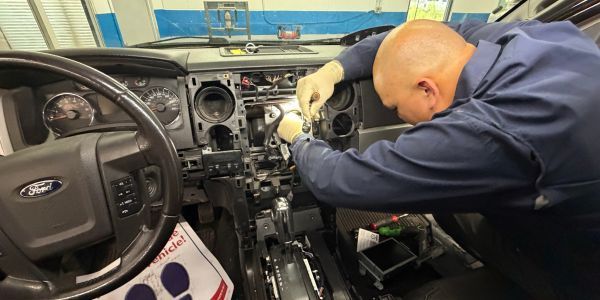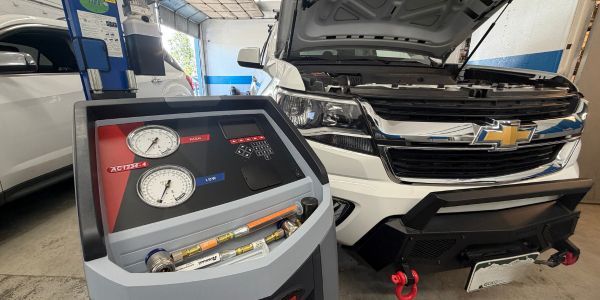
A step-by-step look at what technicians check during a professional vehicle inspection.
What Does a Full Vehicle Inspection Include?
Many drivers bring their car in for a vehicle inspection but are not always sure what actually gets checked. A proper inspection is more than a quick glance under the hood. It is a systematic process designed to identify safety issues, worn components, and maintenance needs before they turn into expensive repairs.
At Motiveworks Auto in Northglenn, a full vehicle inspection is meant to give you a clear understanding of your car’s condition so you can make informed decisions about maintenance and repairs.
Here is what a comprehensive inspection typically includes.
1. Brake System Inspection
Your braking system is one of the most important safety systems in the vehicle.
During an inspection, technicians check:
- Brake pad thickness
- Rotor condition (warping, scoring, or glazing)
- Brake calipers and hardware
- Brake fluid level and condition
- Brake lines and hoses for leaks or cracking
If brake pads are worn or rotors are damaged, catching it early prevents larger and more expensive brake repairs.
2. Tire Condition and Alignment
Tires directly affect handling, traction, and safety.
A full inspection evaluates:
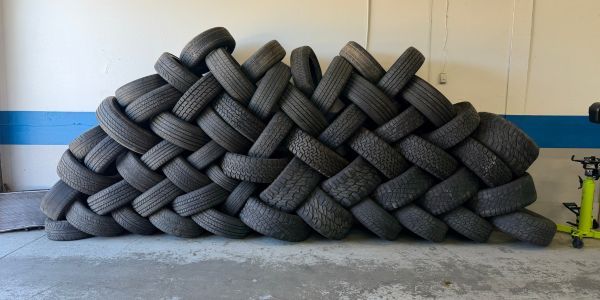
- Tire tread depth
- Uneven tire wear
- Tire pressure
- Sidewall damage or cracking
- Signs of alignment issues
Uneven wear patterns often indicate alignment or suspension problems, which can shorten tire life significantly if ignored.
3. Steering and Suspension Components
The steering and suspension system keeps the vehicle stable and comfortable to drive.
Technicians inspect:
- Ball joints
- Control arms
- Tie rods
- Struts and shocks
- Bushings and mounts
Worn suspension components can cause issues like steering wheel vibration, clunking noises, or poor handling.
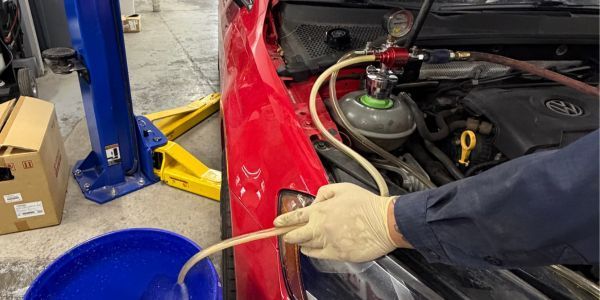
4. Fluid Levels and Fluid Condition
Your vehicle relies on several fluids to operate properly. During a vehicle inspection, technicians check both fluid level and fluid condition.
Fluids typically inspected include:
- Engine oil
- Coolant
- Brake fluid
- Power steering fluid
- Transmission fluid
- Differential fluid (if applicable)
- Windshield washer fluid
Contaminated or low fluids are often early indicators of developing mechanical problems.
5. Engine and Under-Hood Components
A full inspection includes a careful look under the hood for leaks or worn components.
Technicians evaluate:
- Belts and hoses
- Battery condition and terminals
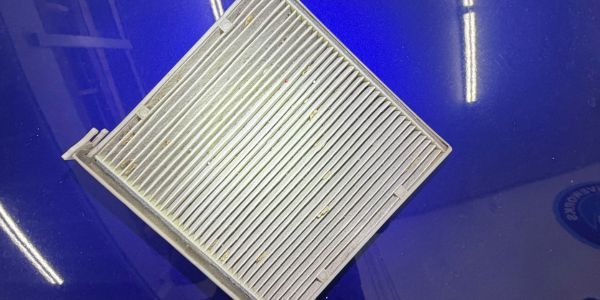
- Air filter condition
- Signs of oil or coolant leaks
- Engine mounts
- Visible wiring concerns
Small issues like a cracked hose or worn belt are inexpensive to fix early but can lead to breakdowns if ignored.
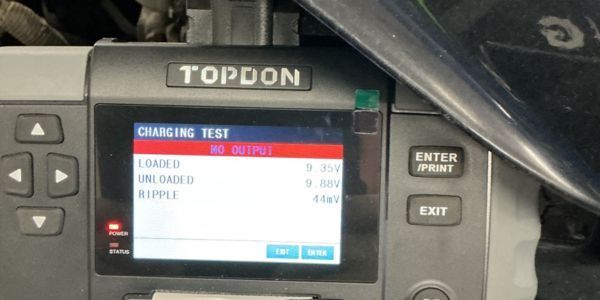
6. Battery and Charging System
Battery failure is one of the most common causes of a vehicle that will not start.
Inspection includes:
- Battery health and voltage
- Corrosion at terminals
- Secure mounting
- Alternator output
In Colorado’s temperature swings, batteries often fail sooner than expected, so this check is important.
7. Lights, Electrical Systems, and Safety Equipment
Technicians confirm that all safety-related electrical systems function properly.
This includes checking:
- Headlights and high beams
- Brake lights
- Turn signals
- Interior lights
- Wipers and washers
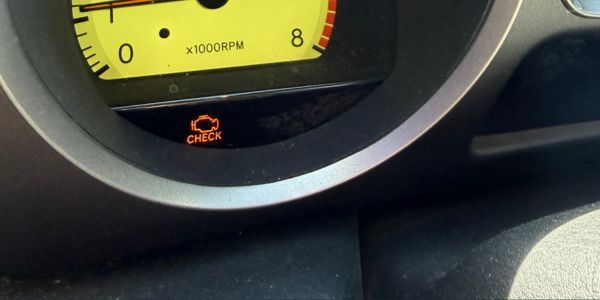
- Dashboard warning lights
Even small electrical issues can become safety concerns if they affect visibility or communication with other drivers.
8. Exhaust System Inspection
The exhaust system affects both performance and emissions.
Technicians check for:
- Exhaust leaks
- Damaged piping
- Loose mounting points
- Catalytic converter condition
An exhaust leak can cause loud noises, reduced performance, or even dangerous fumes entering the cabin.
9. Undercarriage Inspection
With the vehicle safely lifted, technicians inspect the underside for issues not visible from above.
This includes checking:
- Fluid leaks
- Frame or structural damage
- Driveshaft components
- Differential and transfer case (if equipped)
This step often reveals problems that drivers would never notice from the driver’s seat.
Why Regular Vehicle Inspections Matter
A professional vehicle inspection helps prevent unexpected breakdowns and allows you to plan maintenance instead of reacting to emergencies.
Benefits include:
- Catching problems early
- Improving vehicle safety
- Extending vehicle lifespan
- Preventing costly repairs
Most importantly, inspections provide clarity and transparency about your vehicle’s condition.
Schedule a Vehicle Inspection in Northglenn
If your vehicle has not been inspected recently, it may be time to schedule one. A comprehensive inspection gives you a clear picture of what your car needs now and what may need attention in the future. At Motiveworks Auto, our inspections are designed to be thorough, honest, and easy to understand so you can drive with confidence.
If you are in Northglenn, Broomfield, Thornton, or the surrounding Denver area, schedule a vehicle inspection and let our team take a closer look at your vehicle.