A burning smell while driving is never something to ignore. Here are the most common causes and when it’s time to have your vehicle inspected.
If you notice a burning smell while driving, it’s usually your vehicle trying to tell you something isn’t right. Sometimes the cause is minor, like debris caught in the engine bay. Other times it can signal a more serious issue that needs immediate attention.
Understanding the type of burning smell and when it happens can help narrow down the cause. Below are some of the most common reasons drivers notice burning odors while driving.
1. Oil Leaking Onto Hot Engine Parts
One of the most common causes of a burning smell is engine oil leaking onto hot components, such as the exhaust manifold. When oil drips onto these hot surfaces, it burns and produces a sharp, acid smell that can sometimes enter the cabin through the ventilation system.
Common signs include:
- Burning smell after driving
- Light smoke from under the hood
- Oil spots under the vehicle
- Low oil level on the dipstick
Oil leaks often come from valve cover gaskets, oil filter housings, or oil cooler seals.
2. Worn or Overheating Brakes
If the burning smell appears during or after braking, your brakes may be overheating.
This can happen if:
- Brake pads are worn down
- A brake caliper is sticking
- The parking brake is partially engaged
- Heavy braking overheats the system
Overheated brakes often produce a chemical or metallic burning smell, sometimes accompanied by smoke or reduced braking performance.
If you notice this smell after normal driving, it’s best to have your brake system inspected right away.
3. Electrical Components Overheating
An electrical burning smell is often described as similar to burning plastic.
This can occur when:
- Wiring insulation melts
- A component overheats
- A short circuit develops
Electrical issues can escalate quickly and may lead to vehicle fires if ignored. If you smell burning plastic or see smoke, it’s best to stop driving and have the vehicle inspected.
4. Slipping Serpentine Belt
Your engine’s serpentine belt powers key components like the alternator, power steering pump, and air conditioning compressor.
If the belt begins to slip or wear out, friction can create a rubber burning smell.
Signs of a worn belt include:
- Squealing noises from the engine
- Visible cracks or glazing on the belt
- Loss of power steering or charging issues
Replacing the belt early can prevent further damage to engine accessories.
5. Clutch Wear (Manual Transmission)
If you drive a manual transmission vehicle, a burning smell could come from the clutch.
This often happens when:
- The clutch is slipping
- The clutch pedal is held partially engaged
- The clutch is overheating during heavy use
Clutch material produces a distinct sharp burning odor, especially after aggressive driving or stop-and-go traffic.
6. Debris in the Engine Bay
Sometimes the cause is surprisingly simple. Plastic bags, leaves, or road debris can get caught near hot engine or exhaust components and begin to melt or burn.
This often produces a burning plastic smell shortly after driving.
A quick inspection under the vehicle can sometimes reveal the culprit.
When Should You Be Concerned?
A brief burning smell that disappears quickly may not be serious. However, you should have your vehicle inspected if:
- The smell continues or gets stronger
- You notice smoke from under the hood
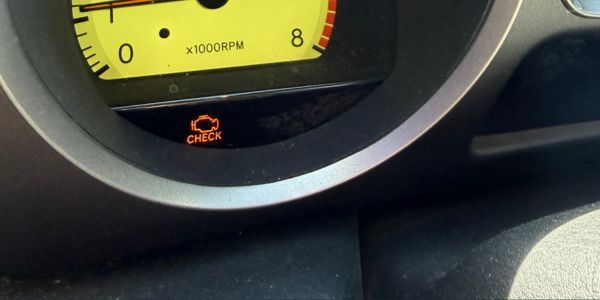
- Warning lights appear on the dashboard
- The smell is accompanied by poor vehicle performance
Ignoring a burning smell can allow small issues to turn into expensive repairs or safety risks.
The Bottom Line
A burning smell while driving is your vehicle’s way of telling you something may be overheating, leaking, or wearing out. From oil leaks and worn brakes to electrical problems, identifying the source early can prevent larger repairs later.
If you notice persistent burning odors while driving, it’s best to have a professional inspection performed as soon as possible.
At Motiveworks Auto in Northglenn, we take the time to diagnose problems thoroughly and explain exactly what’s going on with your vehicle—no pressure, just clear answers and the right repair plan.