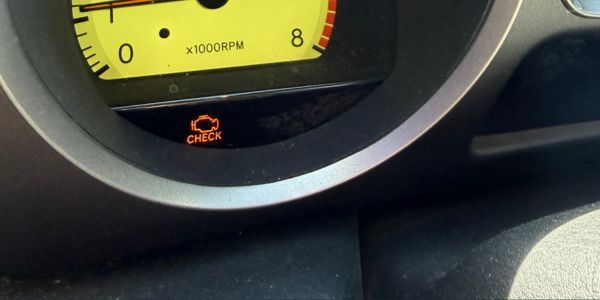
If your temperature gauge is rising, here’s what it means — and what to do next.
Few things cause panic faster than seeing your temperature gauge spike into the red. If you’re asking, “Why is my car overheating?”, you’re right to take it seriously. An overheating engine can cause severe damage in minutes.
Let’s break down what causes it, what to do immediately, and when to call a professional.
🚨 First: What To Do If Your Car Is Overheating
If your temperature gauge is climbing or you see steam:
- Turn off your A/C immediately
- Turn your heater on full blast
- Pull over safely
- Shut the engine off
- Do NOT open the radiator cap while hot
Driving even a short distance while overheating can warp cylinder heads, damage head gaskets, and ruin your engine.
If you're in Northglenn, Thornton, Broomfield, or surrounding areas, call for a tow rather than risk engine failure.
The Most Common Reasons Your Car Is Overheating
1. Low Coolant Level
Coolant (antifreeze) absorbs engine heat and transfers it away from critical components.
If your coolant is low, the system can’t regulate temperature properly.
Low coolant is usually caused by:
- A leak in a hose
- A cracked radiator
- A failing water pump
- A blown head gasket
If you’re adding coolant often, you have a leak somewhere.
2. Radiator Problems
Your radiator cools the hot coolant as it circulates.
If it’s clogged, leaking, or not getting airflow, heat builds quickly.
Common radiator issues:
- Debris blocking airflow
- Internal corrosion
- Cooling fan failure
- Faulty radiator cap
3. Thermostat Failure
The thermostat controls coolant flow.
If it gets stuck closed, coolant can’t circulate — and your engine overheats fast.
This is one of the most common overheating causes and often a relatively simple repair if caught early.
4. Water Pump Failure
The water pump moves coolant through the engine.
If it fails, coolant stops circulating entirely.
Signs of water pump failure:
- Coolant leaks near the front of the engine
- Grinding noise
- Overheating at idle or low speeds
5. Blown Head Gasket
This is the most serious possibility.
A blown head gasket can:
- Mix coolant and oil
- Cause white smoke from exhaust
- Create constant overheating
If caught early, damage may be limited. If ignored, it can mean engine replacement.
Can I Drive With My Car Overheating?
Short answer: No.
Even a few minutes of driving while overheating can cause:
- Warped cylinder heads
- Cracked engine block
- Total engine failure
If your temperature gauge is rising, shut it down.
Why Cars Overheat in Colorado
Here in Northglenn and the greater Denver metro area, we see overheating caused by:
- High summer temperatures
- Mountain driving strain
- Elevation changes
- Heavy traffic during heat waves
Cooling systems work harder in Colorado. Maintenance matters.
How to Prevent Engine Overheating
You can avoid most overheating issues by:
- Checking coolant levels regularly
- Replacing coolant at recommended intervals
- Inspecting hoses and belts
- Addressing leaks immediately
- Servicing your cooling system before summer
Preventive maintenance costs far less than engine replacement.
If Your Car Is Overheating in Northglenn
At Motiveworks Auto, we perform:
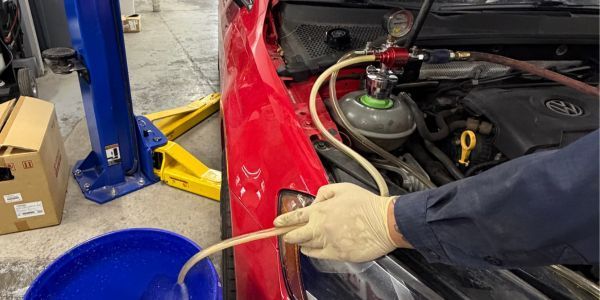
- Full cooling system pressure tests
- Leak detection
- Thermostat testing
- Radiator inspection
- Water pump diagnostics
- Head gasket testing
We provide digital inspections with photos, clear repair timelines, and back qualifying repairs with our 3-year / 36,000-mile nationwide warranty.
If your temperature gauge is climbing, don’t guess. Let’s diagnose it properly before it becomes major engine damage.
📍 Motiveworks Auto
11480 Cherokee St. Unit H
Northglenn, CO 80234
Serving Northglenn, Thornton, Broomfield, Westminster, and surrounding areas.