Car AC Repair in Northglenn: R134a vs. R1234yf Refrigerant Explained
When summer temperatures start climbing across the Denver Metro area, a malfunctioning vehicle air conditioning system turns a routine commute on I-25 into an unbearable ordeal. If your vents are blowing warm or your climate control isn’t keeping up with the June heat, your vehicle likely needs professional AC service.
The Quick Answer: Most vehicles manufactured before 2017 rely on R134a refrigerant, while newer vehicles use a highly regulated, eco-friendly refrigerant known as R1234yf. Because these two gases utilize completely different chemistry, system pressures, and service ports, they cannot be mixed and require separate, specialized diagnostic machines to service safely. At Motiveworks Auto, our independent Northglenn shop is fully equipped with dedicated, state-of-the-art machines for both R134a and R1234yf systems. Here is what you need to know about how your car's AC works and why the type of refrigerant under your hood matters.
Why the Automotive Industry Shifted to R1234yf
For decades, R134a was the universal standard for automotive air conditioning. While it is an incredibly effective cooling agent, R134a is a hydrofluorocarbon (HFC) with a high Global Warming Potential (GWP).
To protect the environment, environmental regulations mandated that automakers transition to a cleaner alternative. Enter R1234yf, a hydrofluoroolefin (HFO). To put the environmental impact into perspective: R134a has a GWP rating of 1,430, while modern R1234yf has a GWP rating of less than 1. This represents a 99.7% reduction in environmental footprint if a system leak ever occurs.
R134a vs. R1234yf: What's the Difference for Colorado Drivers?
If you are trying to determine which system your vehicle utilizes, the transition generally depends on your vehicle's year of manufacture:
- R134a Systems: Typically found in vehicles built between 1994 and 2016.
- R1234yf Systems: Standard in almost all vehicles built from 2017 to the present day (though some premium European imports adopted it as early as 2014).
The Two Gases are Not Interchangeable
You cannot put R134a into an R1234yf system, or vice versa. The chemical compounds require entirely different internal seals, synthetic oil types, and compressor configurations.
To prevent catastrophic cross-contamination, automakers engineered the physical service ports under your hood with completely unique diameters and locking threads. An R134a service coupler physically cannot latch onto an R1234yf port.
Symptoms Your Vehicle's AC System Needs Service
Automotive air conditioning is a sealed, pressurized loop. When components fail or refrigerant drops due to a microscopic leak, your system will exhibit clear warning signs: See graph below for a quick guide
Modern AC Service Requires Specialized Machinery
Many drivers are tempted to purchase generic DIY recharge cans from local auto parts stores in Thornton or Westminster. In a modern vehicle, this can cause thousands of dollars in accidental damage.
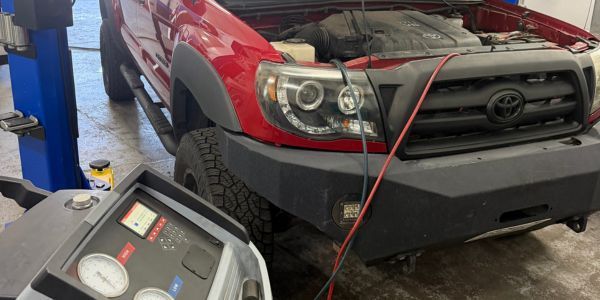
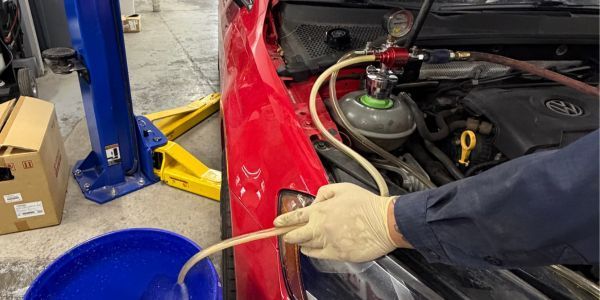
Servicing R1234yf and R134a systems safely requires an immense level of shop infrastructure and certified expertise. Here is why we utilize dedicated dealership-grade machines for each gas:
1. Precision Refrigerant Identification
Modern service equipment contains built-in acoustic purity analyzers. Before our machine extracts a single ounce of gas from your vehicle, it samples the chemical makeup. If an unqualified shop or a previous owner mixed the wrong gases or added flammable sealants, our machine detects it instantly to prevent system damage.
2. Vacuum Testing and Environmental Containment
Refrigerant should never be topped off blindly. If your system is low, it has a leak. Our machines pull your entire AC loop into a deep vacuum, checking if the system can hold a steady vacuum over a set period. This ensures we identify leaks before introducing fresh, expensive refrigerant into the loop.
3. Oil Injection Accuracy
Your AC compressor requires specialized PAG or POE oil to stay lubricated. When refrigerant is recovered, a small amount of oil is pulled out with it. Modern machines automatically measure the exact milliliters of oil extracted and inject the precise amount of fresh oil back into the loop to maintain component longevity.
The Motiveworks Auto Diagnostics-First Approach
At Motiveworks Auto, we take extreme ownership of your vehicle’s health. We don’t just hook up a machine and guess. Every AC service begins with a thorough digital inspection:
- Pressure Assessment: We analyze the high-side and low-side pressures to determine if the issue is a chemical shortage or a mechanical component failure (like a failing condenser or cooling fan).
- Electronic Leak Detection: We use specialized electronic sniffers and UV dye to pinpoint the exact location of any physical leaks along the lines, hoses, or components.
- Digital Transparency: We send a complete report directly to your smartphone, showing you real pressure readings, digital photos of your component conditions, and our clear, upfront recommendations.
FAQ: Common Automotive AC Questions
How do I know which refrigerant my car uses?
The easiest way to check is by popping your hood and looking for the factory specifications sticker (usually located on the underside of the hood, the radiator shroud, or the strut tower). It will explicitly list either R134a or R1234yf alongside the exact weight capacity your system requires.
Why is an R1234yf recharge more expensive than R134a?
Because R1234yf is a highly complex, heavily patented chemical compound with strict manufacturing standards, the raw cost of the gas itself is significantly higher than older R134a. Additionally, servicing these systems requires shops to purchase separate, highly specialized recovery equipment and maintain EPA 609 certifications.
Can a low cabin air filter make my AC blow warm?
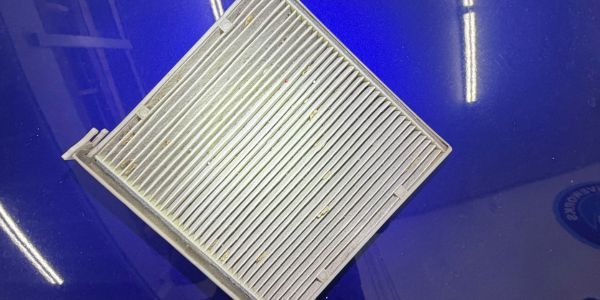
A completely clogged cabin air filter won't change the temperature of the refrigerant, but it drastically restricts the volume of air flowing across your cooling coils. This results in incredibly weak airflow from your dashboard vents, making it feel like your air conditioning system is failing.
Beat the Colorado Heat at Motiveworks Auto
Don't spend your summer commuting across Northglenn, Thornton, and Broomfield in a hot vehicle. Whether your older vehicle needs a standard R134a service or your late-model vehicle requires precision R1234yf diagnostics, our locally owned independent team is here to provide an honest, dealership-alternative experience.
We focus on building long-term relationships through absolute transparency, digital proof, and elite workmanship. Contact Motiveworks Auto today to schedule your digital AC inspection and keep your vehicle operating flawlessly all season long.